

World Hearing Day 2026
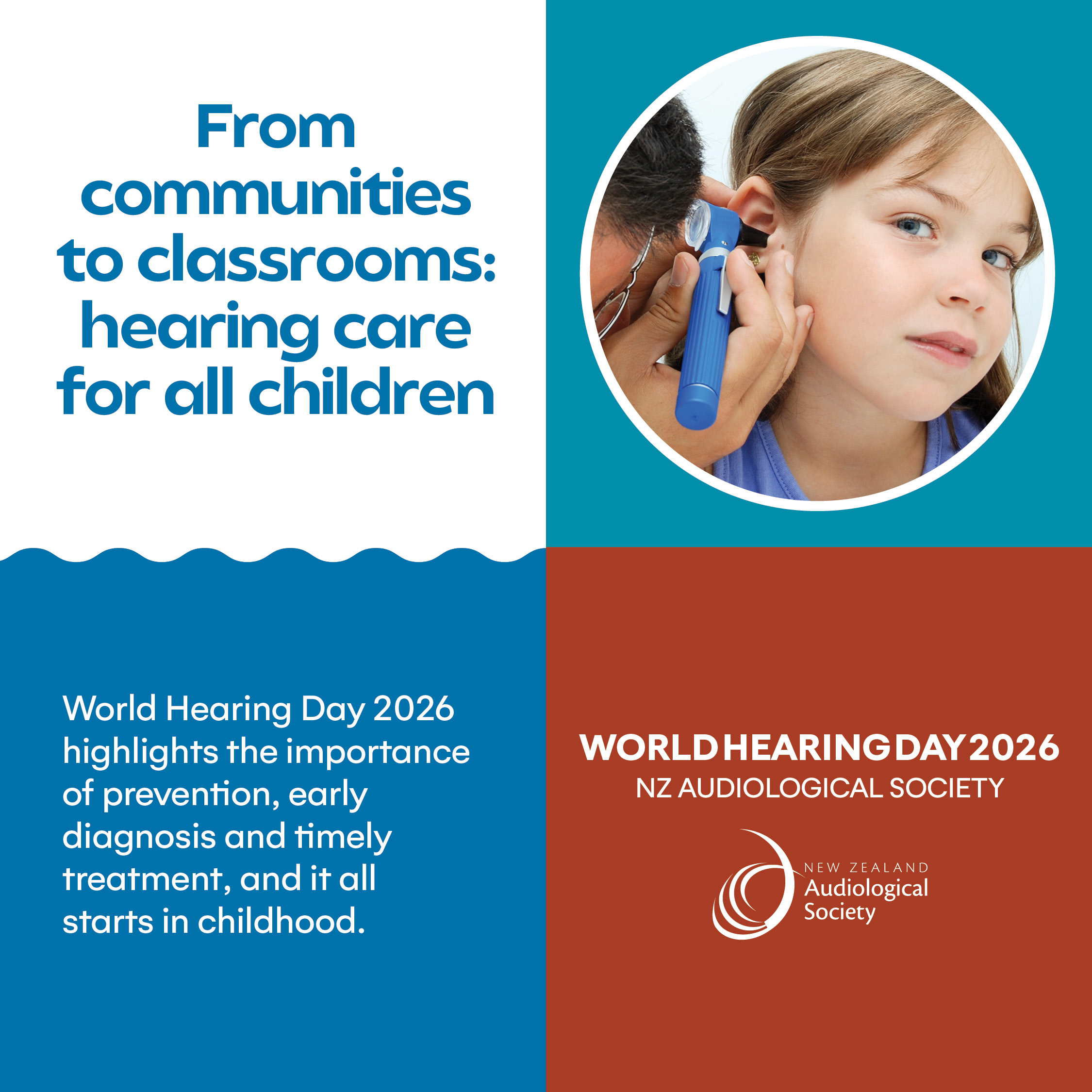
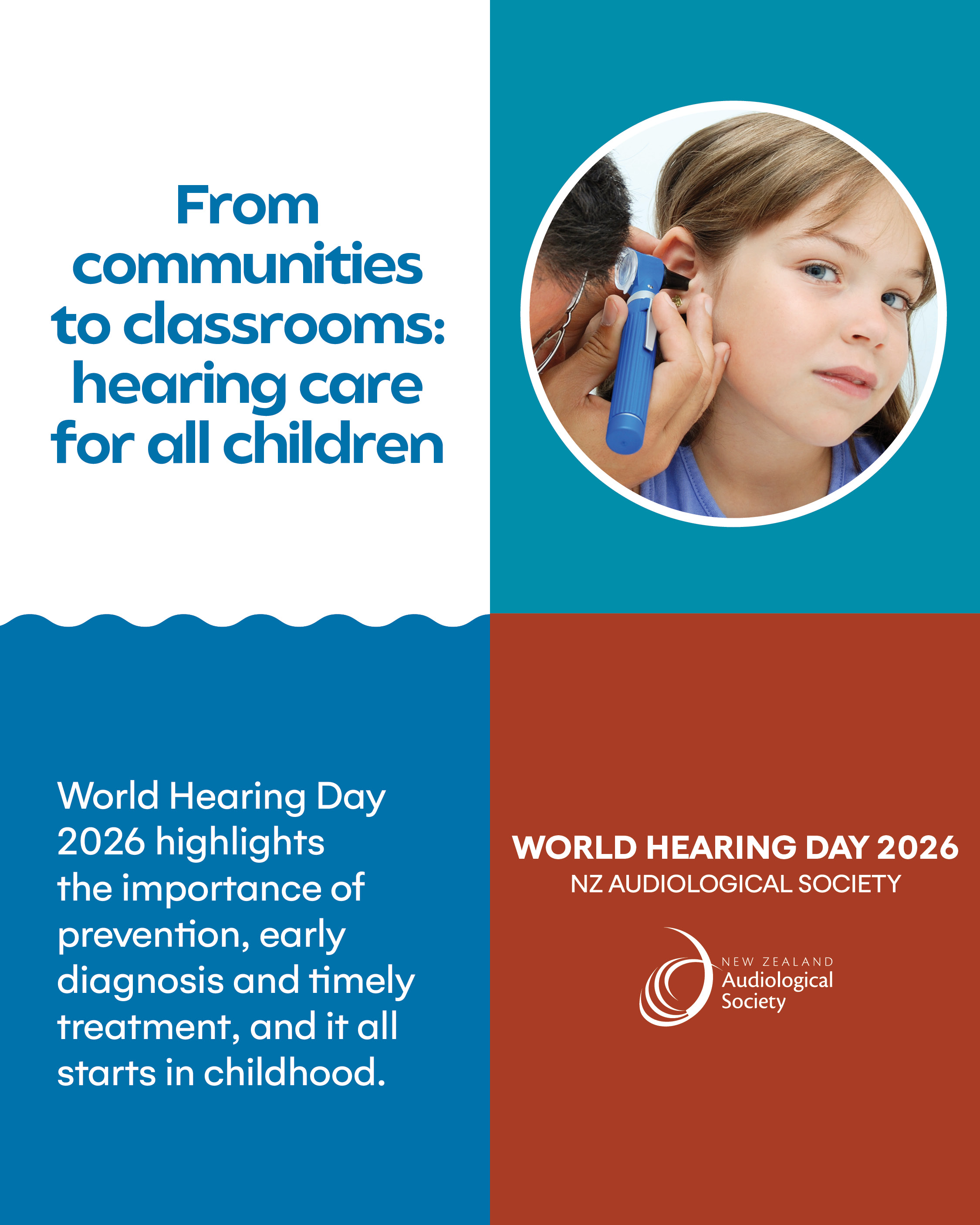
From communities to classrooms: hearing care for all children
Good hearing is taonga. Protecting it early matters.
World Hearing Day is recognised globally on 3 March.
In 2026, NZAS is focusing on children’s hearing – because prevention, early recognition and prompt action give children the strongest possible start in life. When ear problems are missed – even for a short time – they can quickly become barriers to learning, wellbeing and participation.
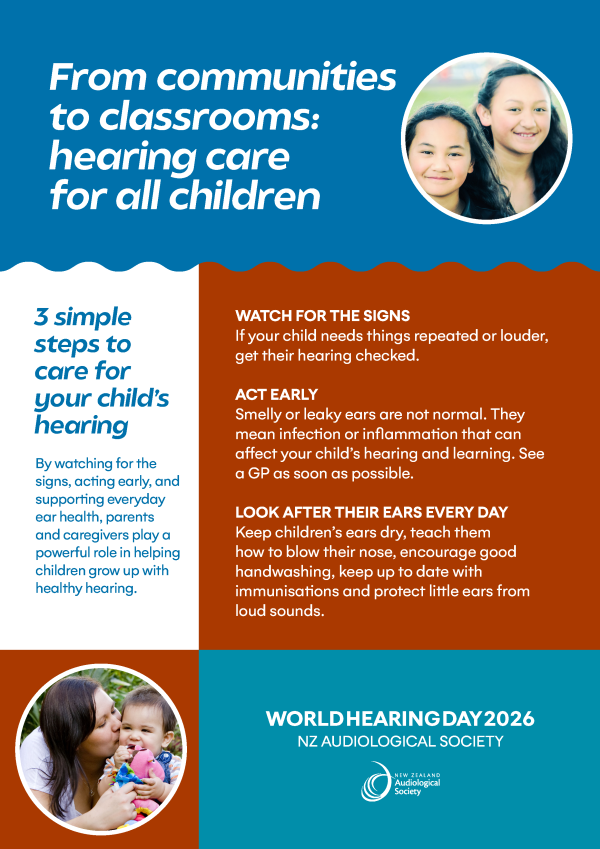
3 simple steps to care for your child’s hearing
This World Hearing Day, we are sharing three simple steps parents, caregivers and teachers can take to protect children’s hearing.
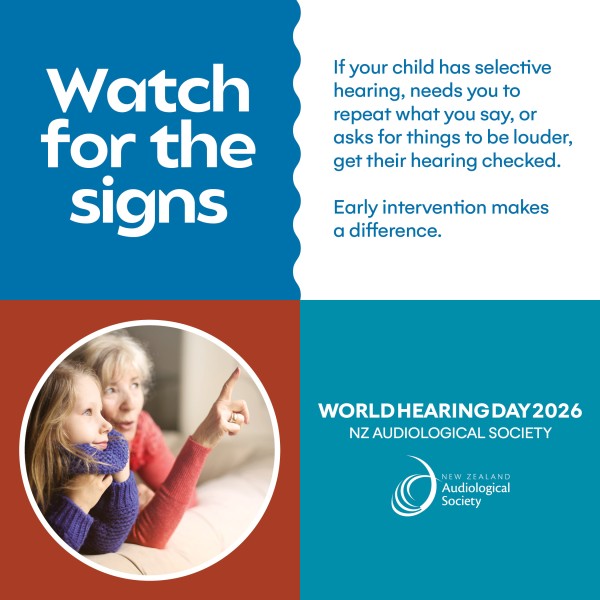
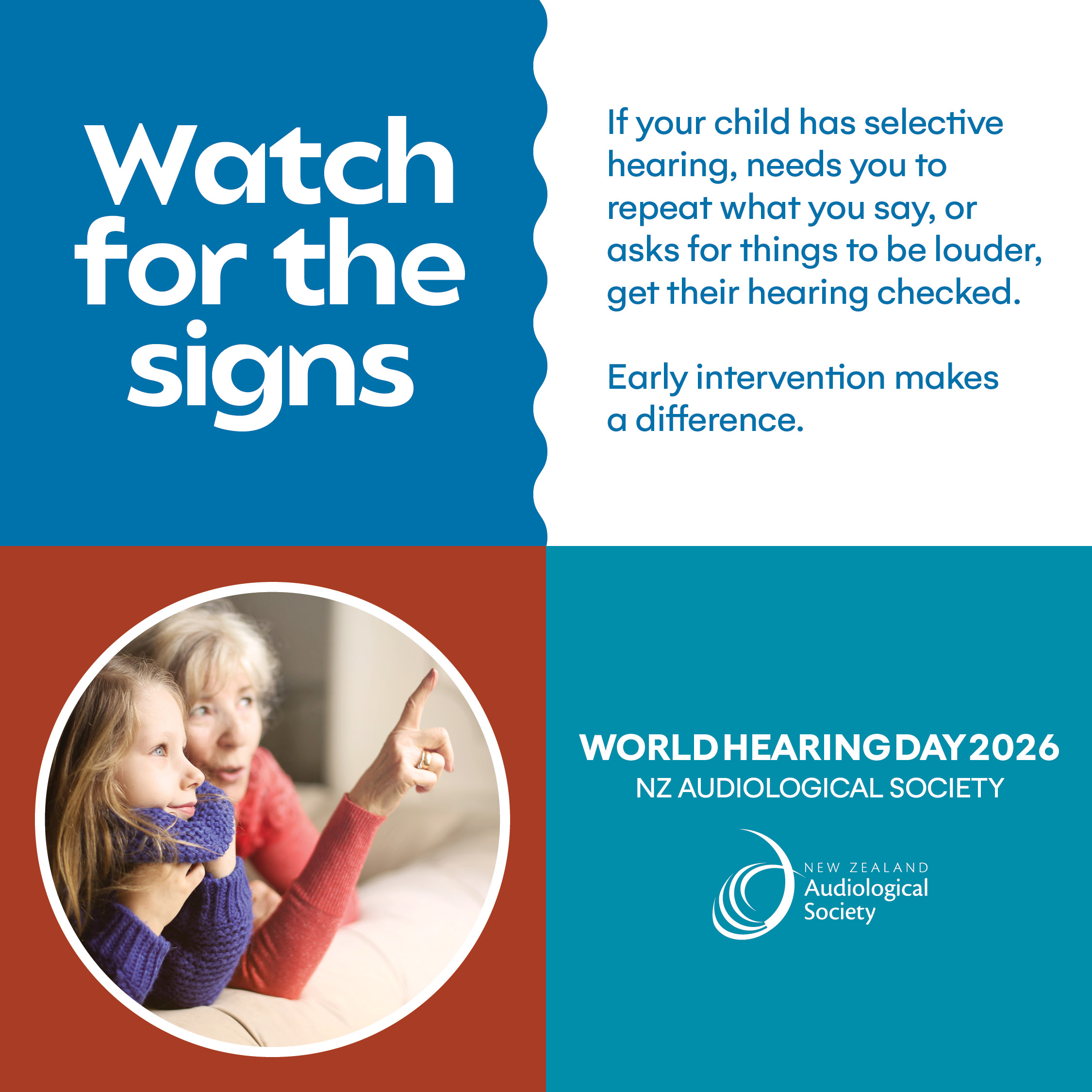
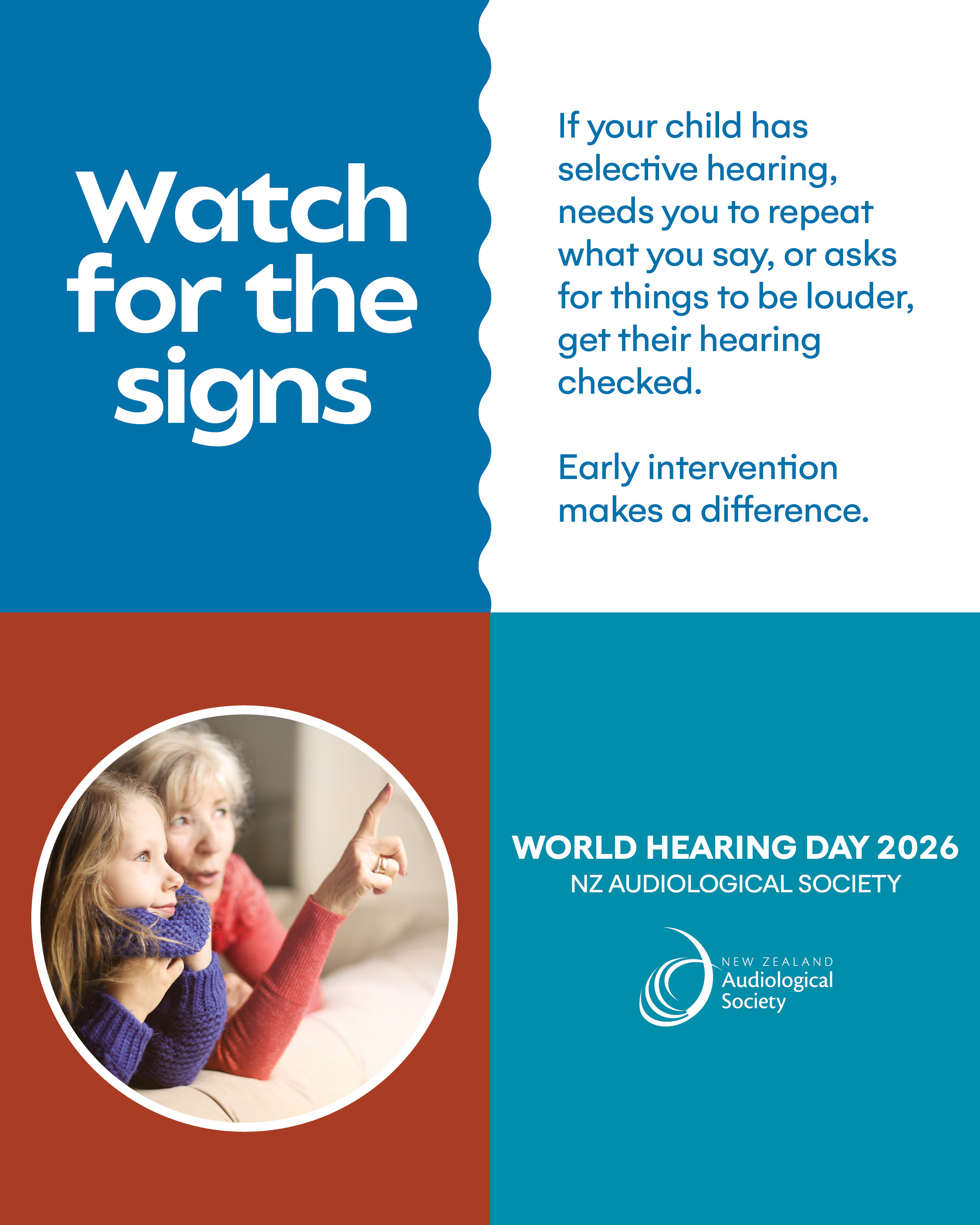
1. Watch for the signs
If a child:
- Doesn’t respond when spoken to
- Needs things repeated or the volume turned up
- Struggles to follow instructions
- Seems inattentive or easily distracted
…it is time to get their hearing checked.
Early recognition can make a big difference to how children learn, communicate and thrive.
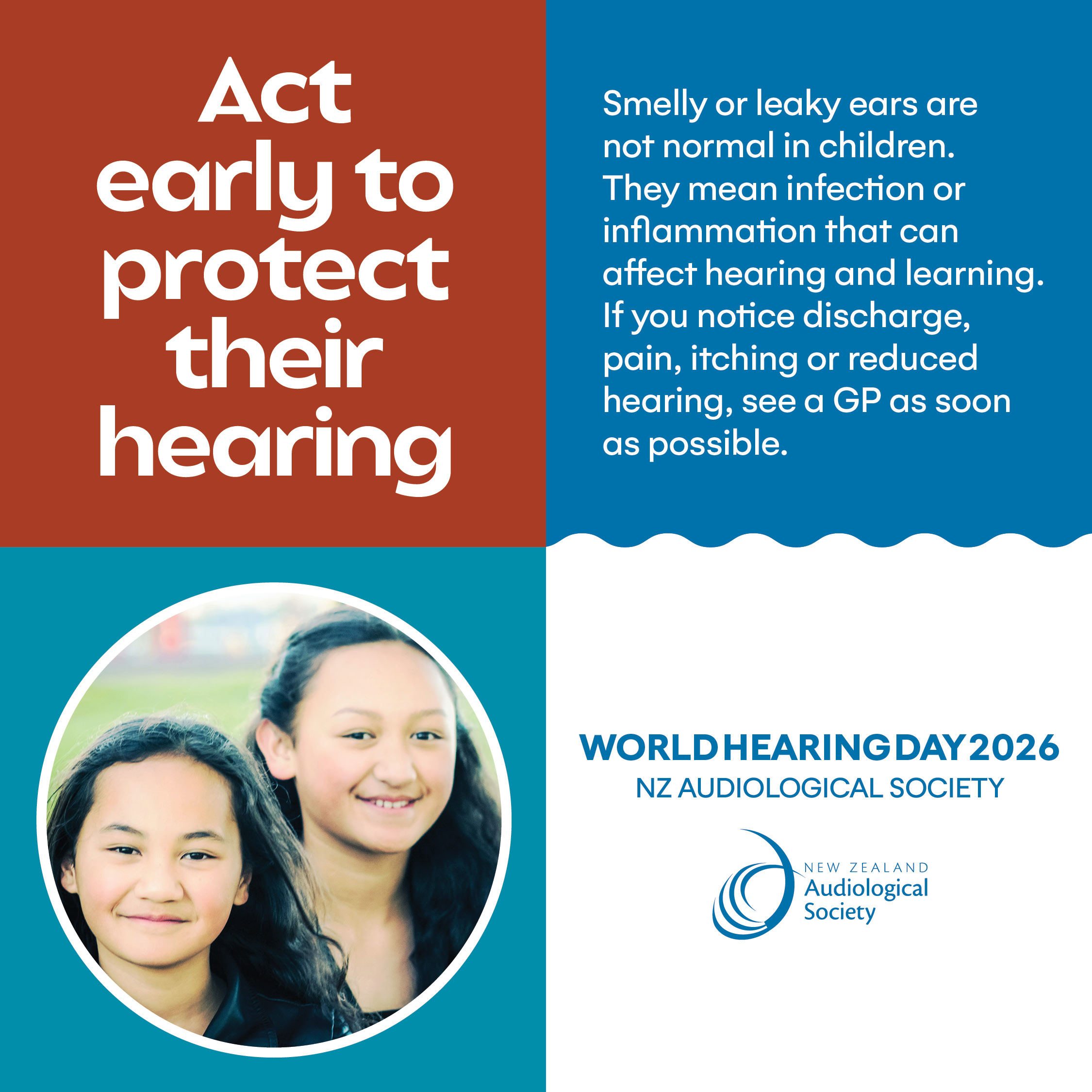
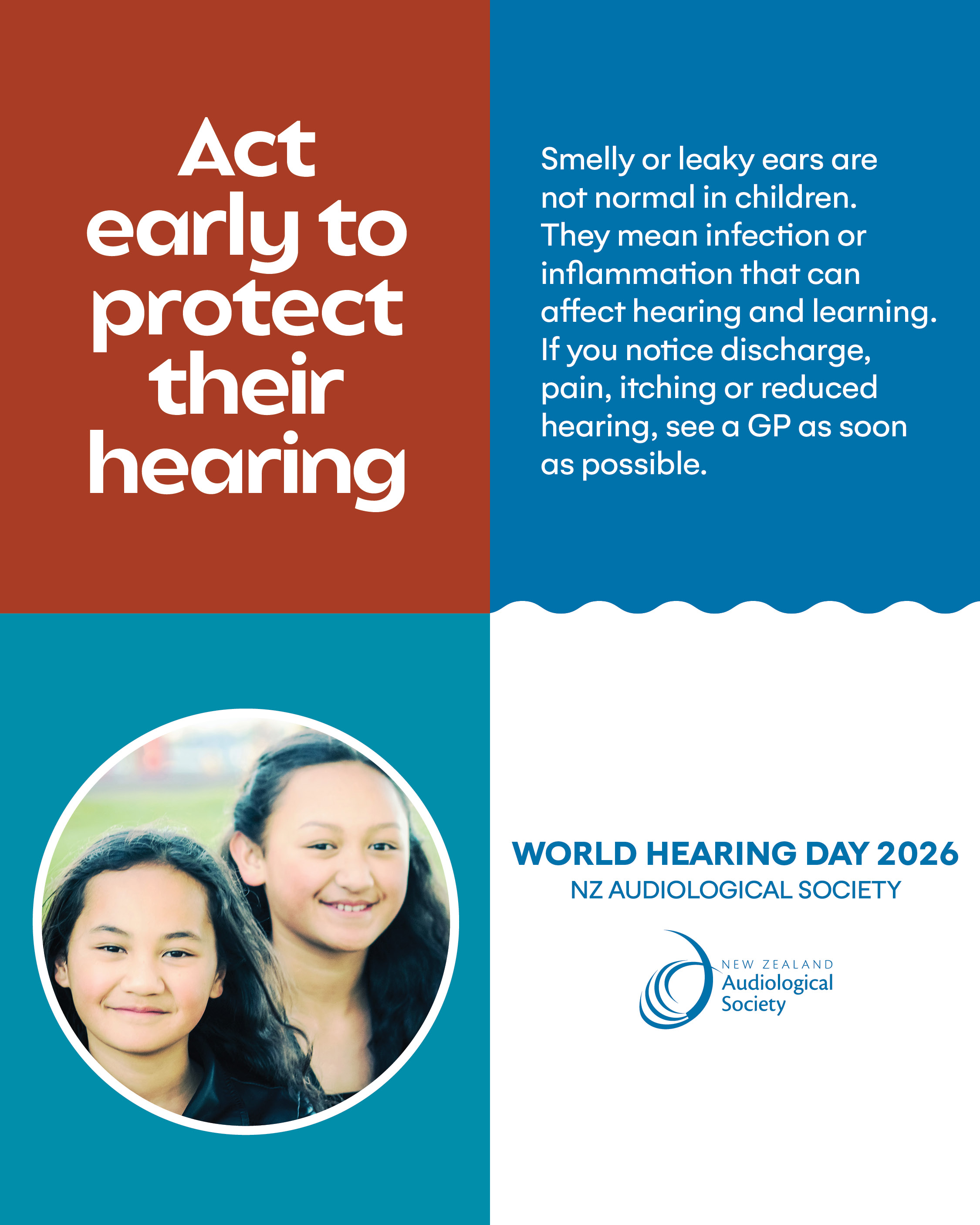
2. Act early
Smelly or leaky ears are not normal. It can mean infection or inflammation that can affect hearing and learning. Repeated or untreated ear infections can impact speech, language, learning, behaviour, and social development.
If a child has:
- Ear pain or itching
- Discharge from the ear (watery, thick or smelly)
- A blocked feeling or reduced hearing
- Fever, irritability, poor sleep or ear-tugging
…see your GP as soon as possible.
Early treatment protects your child’s hearing and helps prevent long-term problems.
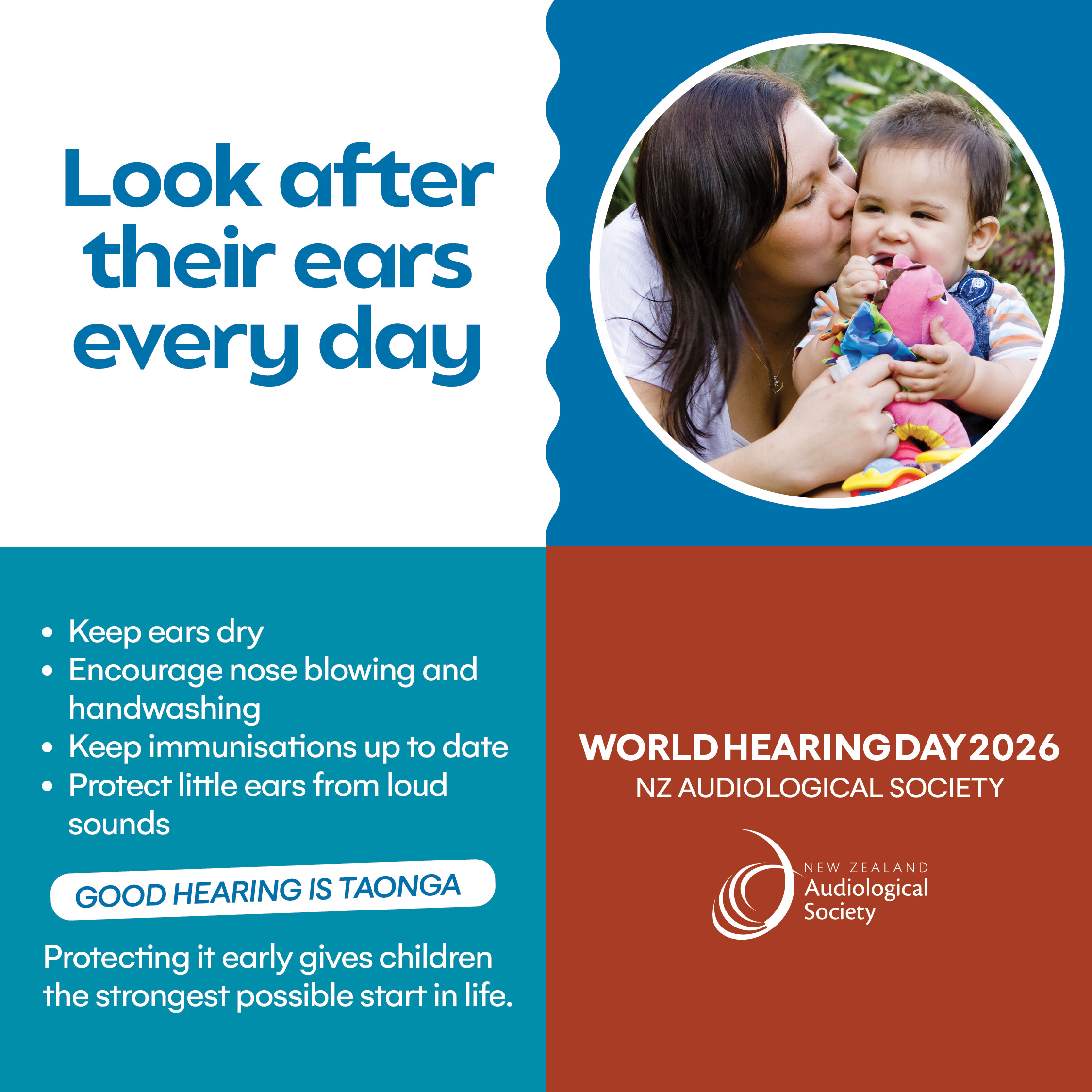
3. Look after their ears every day
Everyday habits play a powerful role in looking after our children’s hearing.
As a parent, caregiver or teacher you can help by:
- Keeping children’s ears dry after swimming or bathing
- Teaching children to blow their nose gently (not sniff)
- Encouraging good handwashing habits
- Keeping immunisations up to date
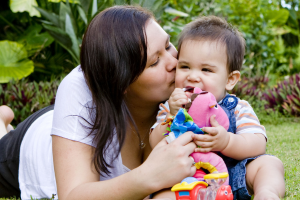
- Protecting little ears from loud sounds and noisy toys
By watching for the signs, acting early and supporting everyday ear health, you can help children learn, connect and thrive.
Read our more detailed advice guide here.
Where to get help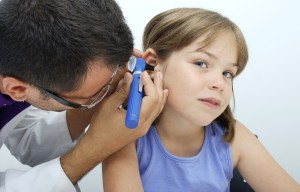
If you have concerns about your child’s hearing:
- Talk to your GP
- Speak with your Well Child Tamariki Ora / Plunket provider
- Ask for advice from a qualified audiologist
Early support can make a lifelong difference.
Downloadable resources
Help share the message this World Hearing Day.
World Hearing Day poster
Ideal for clinics, schools and community spaces
Parent information sheet
Practical, easy-to-read guidance for families

Email signature